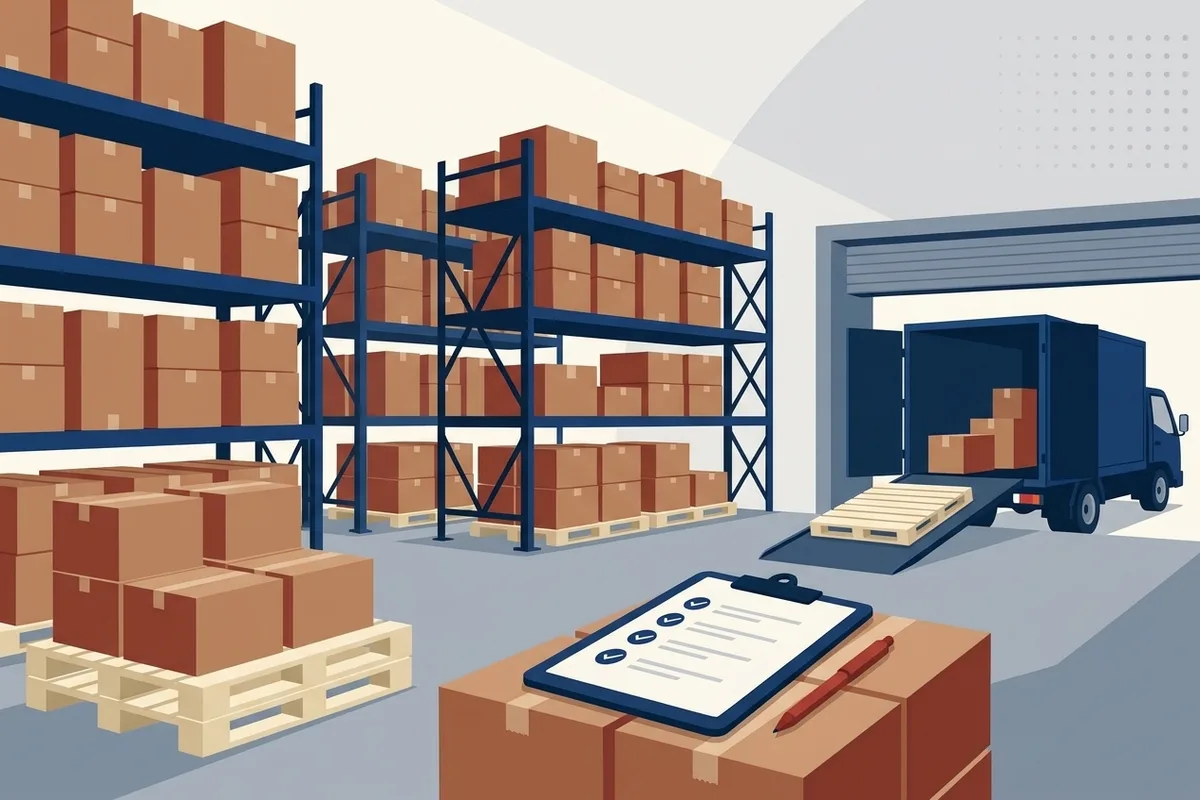
If you hold a Federal Firearms License and want to buy guns at wholesale, you buy from firearm distributors: companies that buy from manufacturers by the truckload and sell to licensed dealers. This guide covers who they are, what they ask for before they sell to you, how dealers choose between them, and how to avoid overpaying once you have more than one account.
Who sells wholesale guns to FFL dealers
Most dealers buy the bulk of their firearms from national and regional distributors rather than from manufacturers directly. Manufacturers usually reserve direct accounts for high-volume stores, so for a new or mid-size dealer, distributors are the front door.
The distributors FFL dealers most often work with include:
- RSR Group
- Sports South (The Shooting Warehouse)
- Davidson's (Gallery of Guns)
- Lipsey's
- Zanders Sporting Goods
- Chattanooga Shooting Supplies
- Camfour
- Crow Shooting Supply
- Bill Hicks & Co
- MGE Wholesale
- Kinsey's
- Iron Valley Supply
For the full list with company backgrounds, see our firearm wholesalers list and largest firearm distributors in the US.
What distributors ask for before they sell to you
Federal law lets distributors ship firearms across state lines only to other licensees, so every distributor checks your license before your first order. Expect to send:
- A signed copy of your FFL. It has to be current, and distributors keep it on file.
- Your state sales tax or resale certificate, so the distributor can sell to you without charging sales tax.
- Basic business details: legal business name, address matching your license, and contact information.
Each distributor runs its own application and review, and some ask for more. Our step-by-step guides cover the details for RSR Group, Sports South, Davidson's, Lipsey's, Zanders, Camfour, Chattanooga, Kinsey's, MGE Wholesale and Iron Valley.
Not licensed yet? Start with how to become an FFL dealer.
How dealers choose between distributors
There is no single best distributor. Dealers pick based on what they sell and where they are:
- Catalog fit. Some distributors are strongest in firearms, others in ammunition, optics or accessories. Look at the brands you sell most.
- Exclusives. Several distributors carry models made only for them. If your customers ask for those, you need that account. See distributor exclusives.
- Shipping time to you. A warehouse a day away means faster restocks and happier customers waiting on special orders.
- Drop-ship programs. Some distributors can ship straight to your customer's chosen FFL or to your customer for non-firearm items, which matters if you sell online.
- Data access. If you run a website or point of sale, check how the distributor shares stock and pricing. See firearm distributor data feeds and APIs.
Why most dealers open more than one account
Stock moves fast. The gun a customer asks for is out at one distributor and sitting at another. The same item can also carry a different cost at each distributor on the same day. Dealers with several accounts can fill more orders and buy each item where it costs the least.
The catch is time. Checking several portals for every item, every day, adds up quickly, and restocks on hard-to-find guns sell through before you happen to look.
Pricing: dealer cost, MAP and MSRP
Your price from a distributor is your dealer cost. Many manufacturers also set a minimum advertised price (MAP) that limits how low you can advertise, and an MSRP that is only a suggestion. Knowing all three tells you your real margin before you buy. Our guide to dealer cost vs MAP vs MSRP walks through it.
One search across your distributors
FirearmDistributors.com searches about 20 distributors at once. Type a SKU, UPC or model and you see every distributor's stock, quantity and cost side by side, with your own cost for the accounts you connect. When nobody has it, one restock alert watches every distributor and emails you when it comes back.
Start a 14-day free trial. Nothing is charged until day 15.
Quick answers
Can I buy wholesale guns without an FFL?
No. Distributors sell firearms only to licensed dealers, and they check your license before your first order.
How many distributor accounts should a new dealer open?
There is no fixed number. Start with the distributors whose catalogs match what you sell and whose warehouses are closest, then add accounts as customers ask for items you cannot get.
Do distributors have minimum orders?
Many do, and they differ by distributor and sometimes by product line. Ask during the application, because a minimum that suits a large store can be hard for a small shop.
Where do I find a list of firearm wholesalers?
See our firearm wholesalers list, which links to a guide for each distributor.